When I heard the learn’d astronomer,
When the proofs, the figures, were ranged in columns before me,
When I was shown the charts and diagrams, to add, divide, and measure them,
When I sitting heard the astronomer where he lectured with much applause in the lecture-room,
How soon unaccountable I became tired and sick,
Till rising and gliding out I wander’d off by myself,
In the mystical moist night-air, and from time to time,
Look’d up in perfect silence at the stars
— Walt Whitman
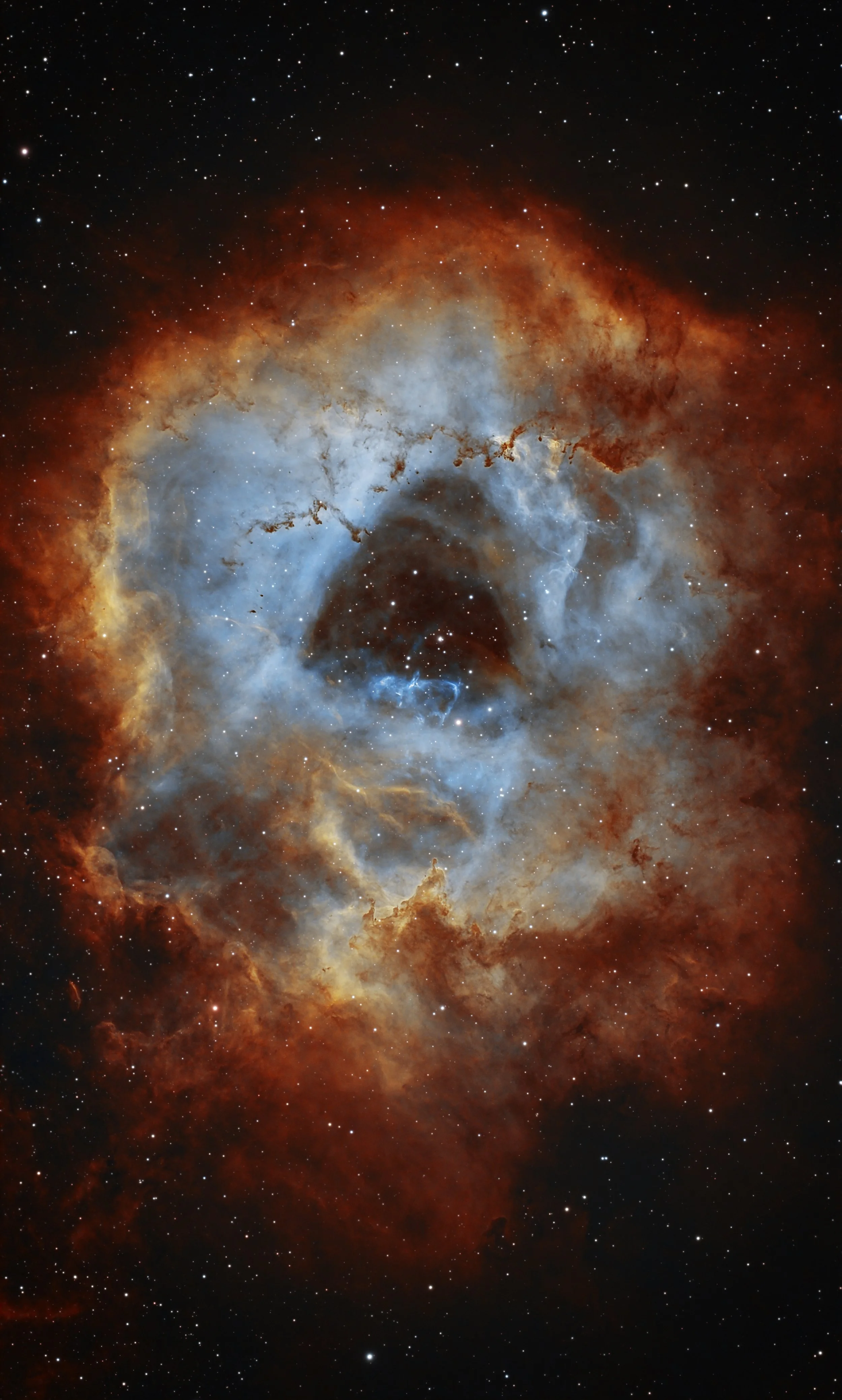
Caldwell 49 - The Rosette Nebula
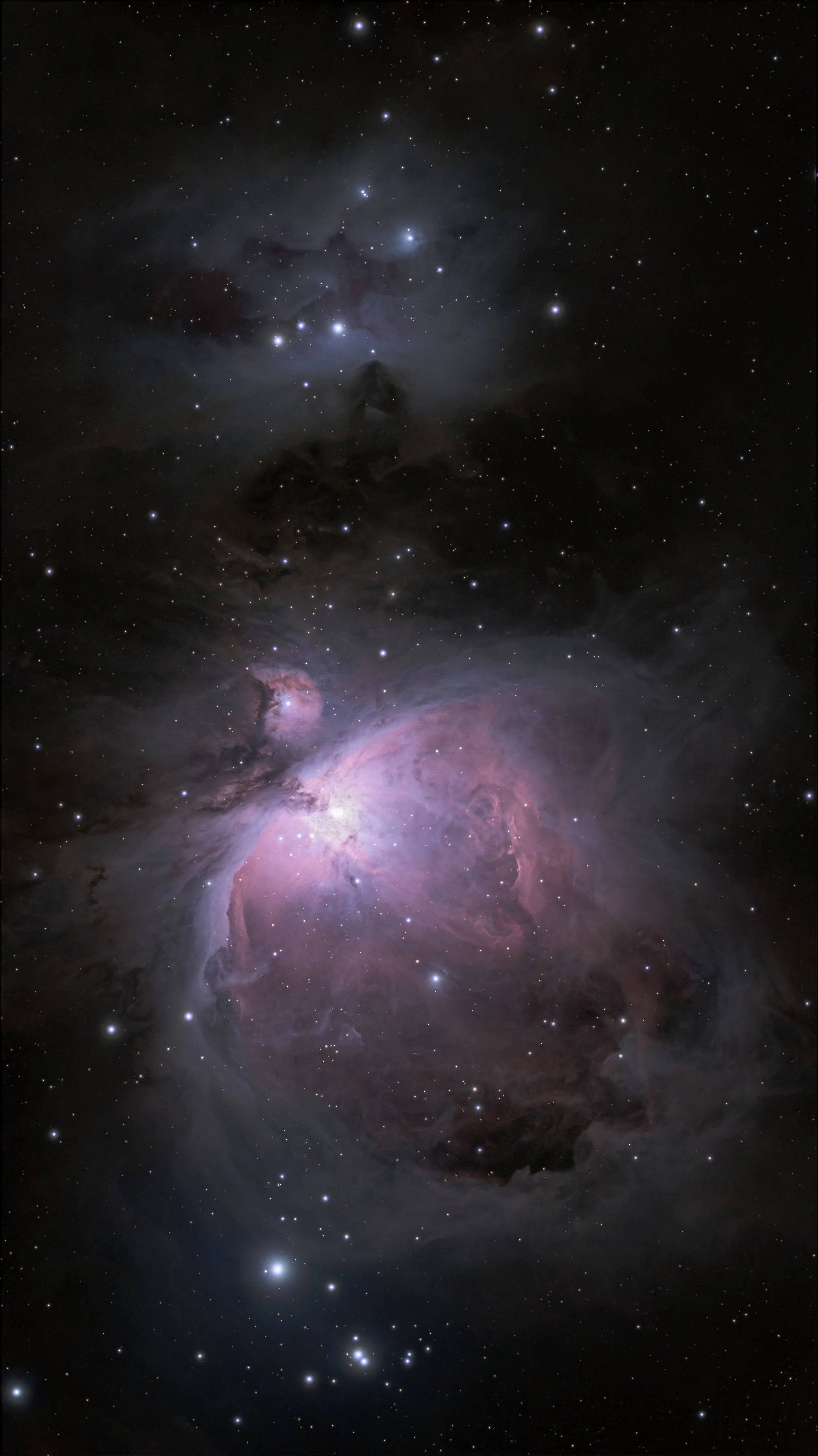
M42 - Orion's Nebula
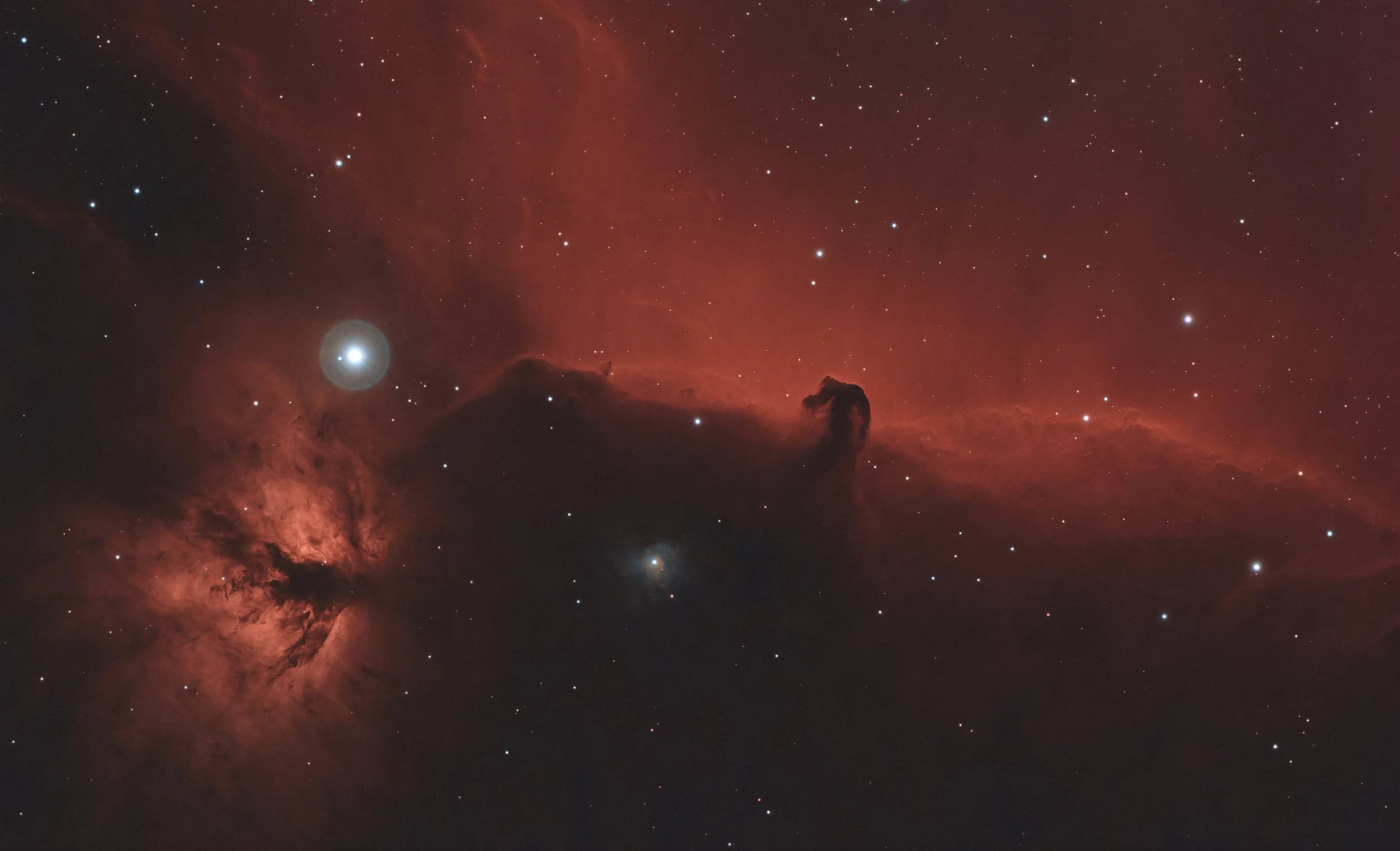
IC 434 - The Horse-head Nebula
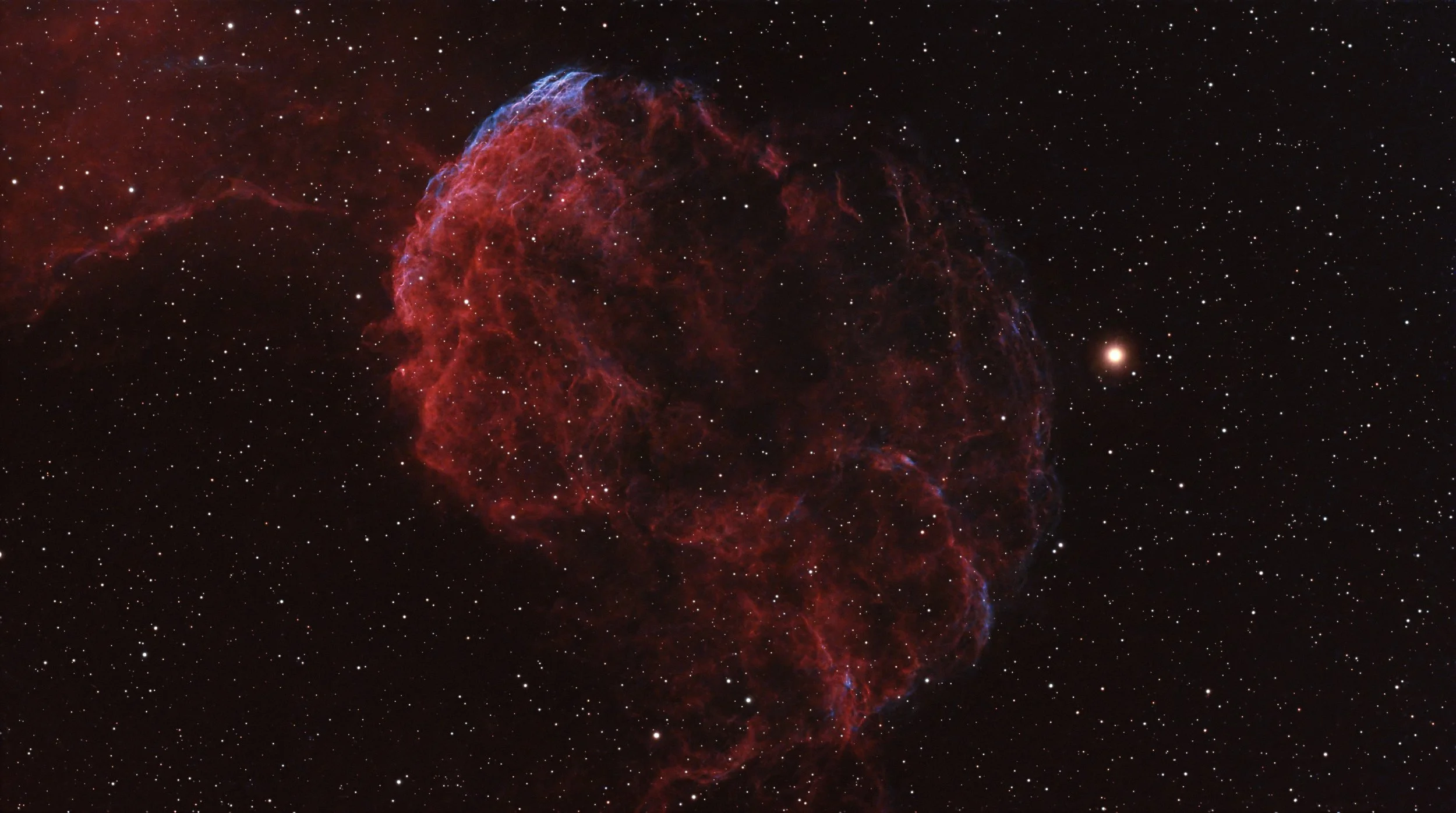
IC 443 - The Jellyfish Nebula
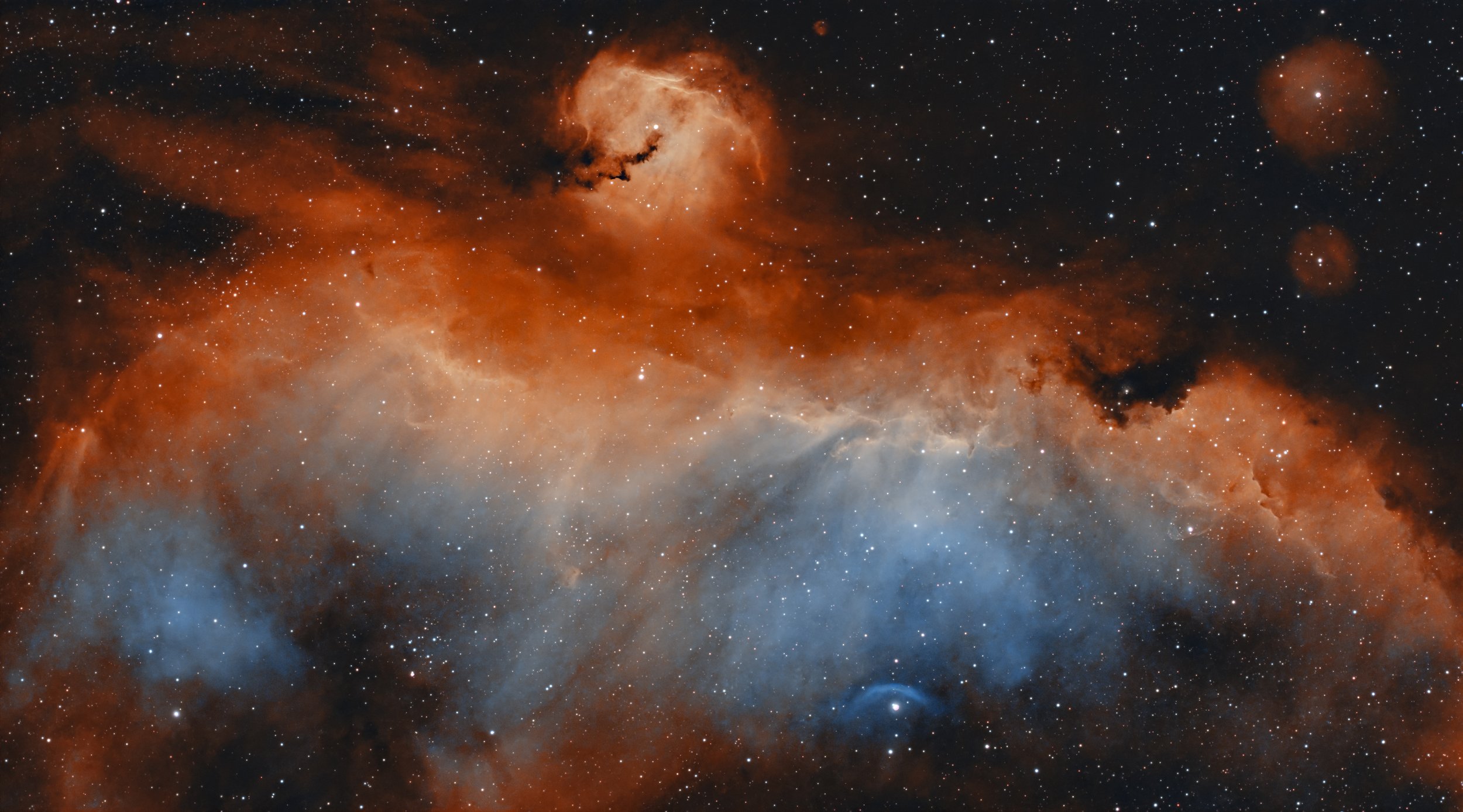
IC 2177 - The Seagull Nebula
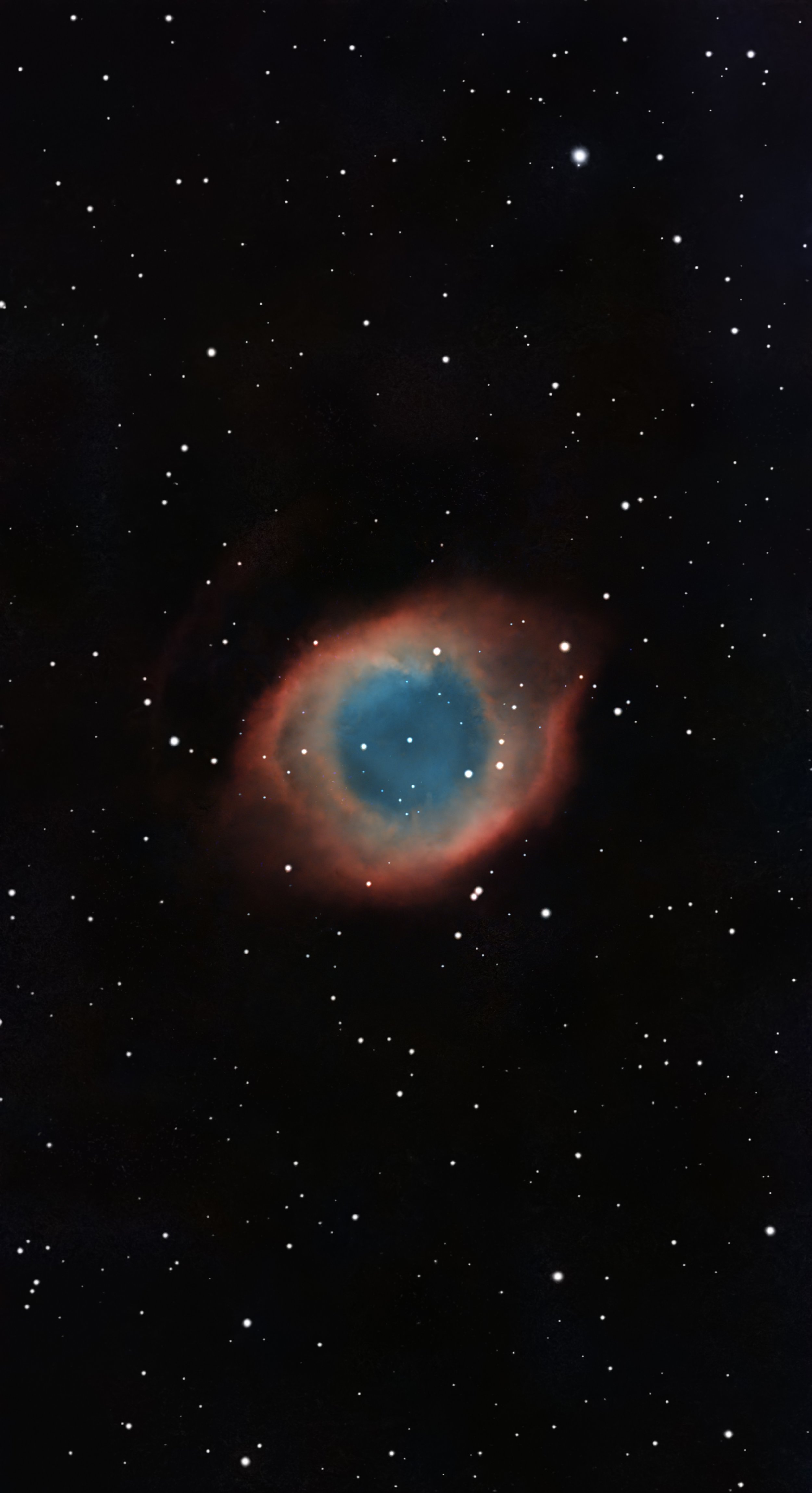
NGC 7293 - The Helix Nebula (A.K.A "The Eye of God")
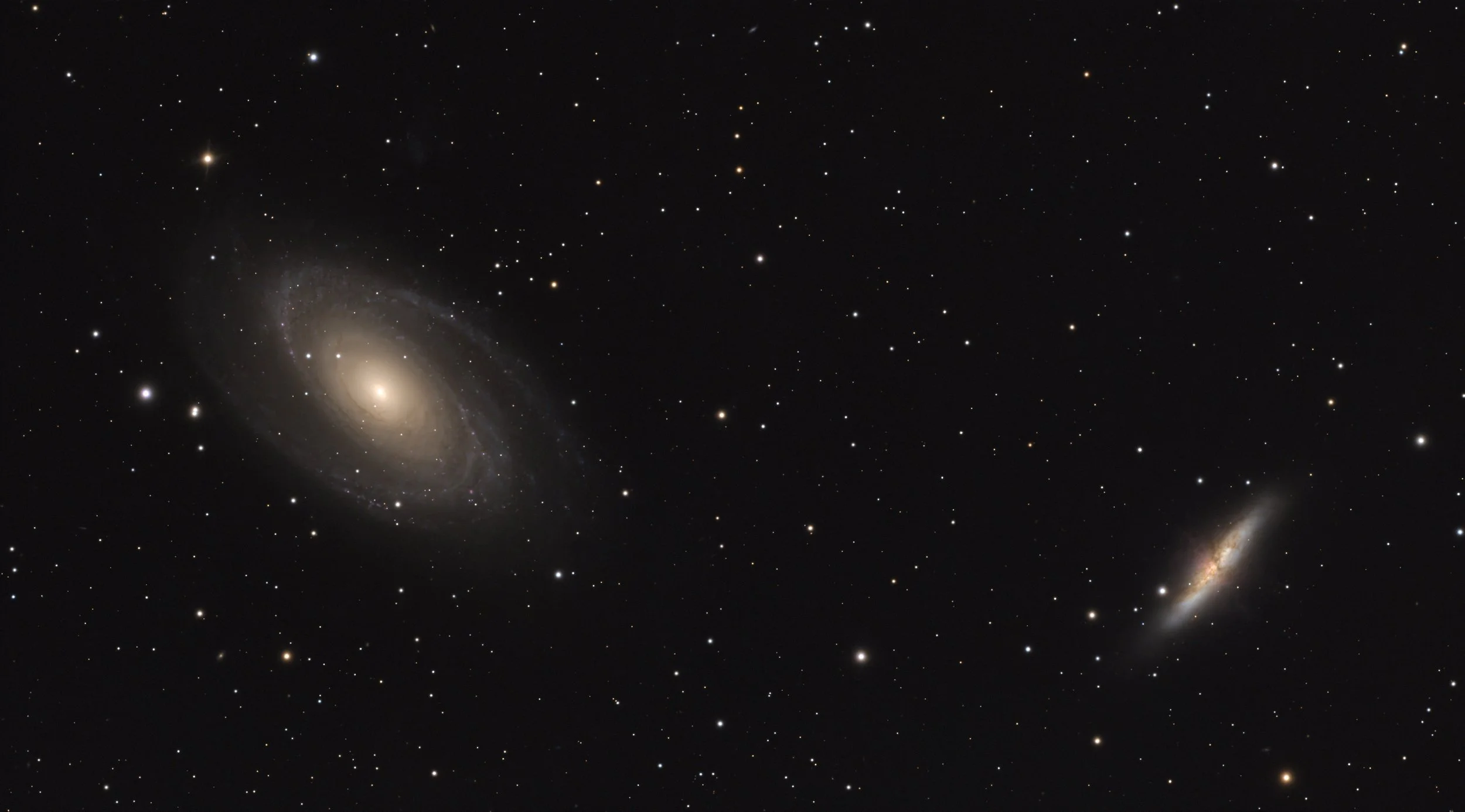
M81 - Bode's Galaxy (left) & M82 - The Cigar Galaxy (right)
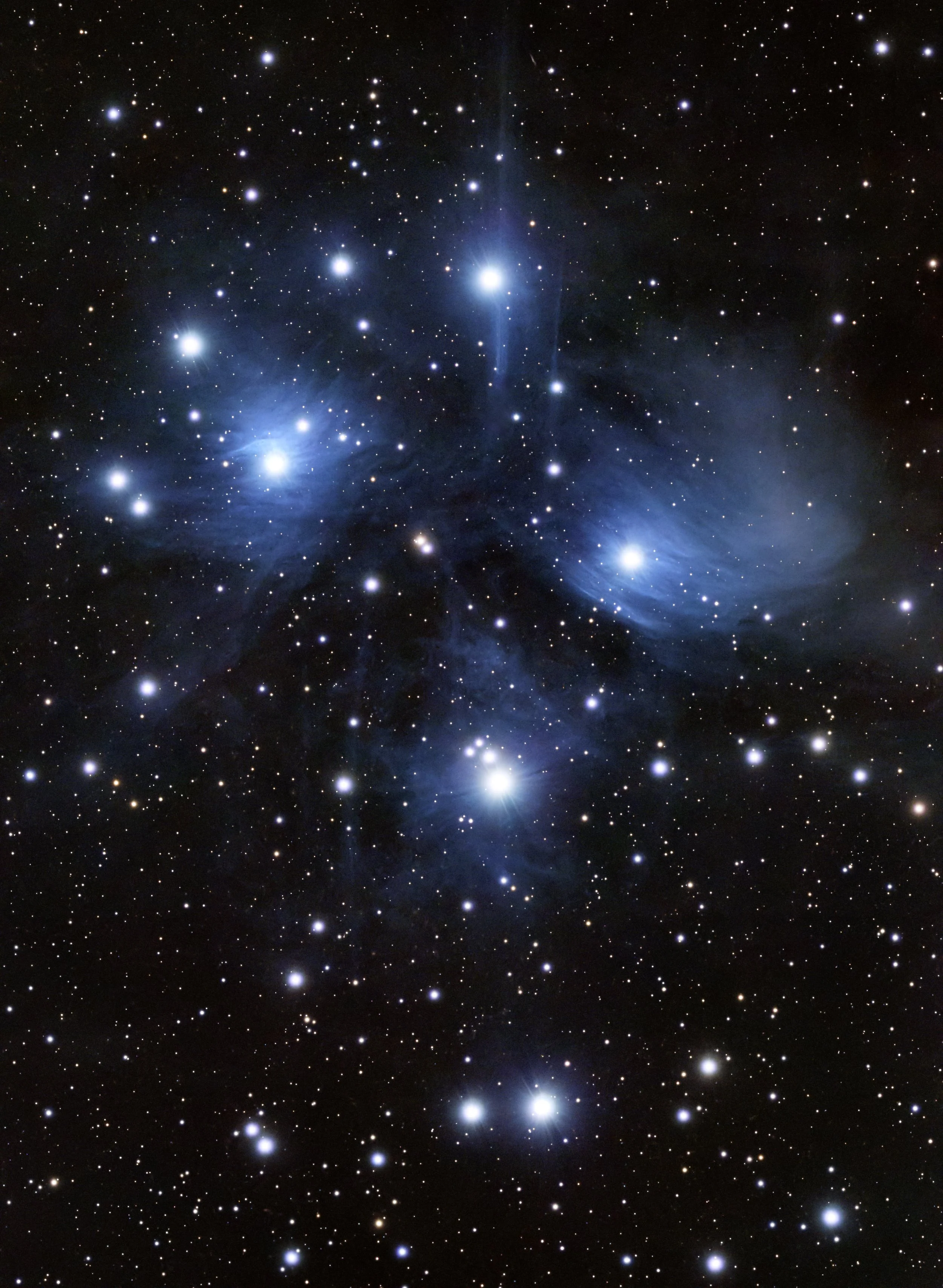
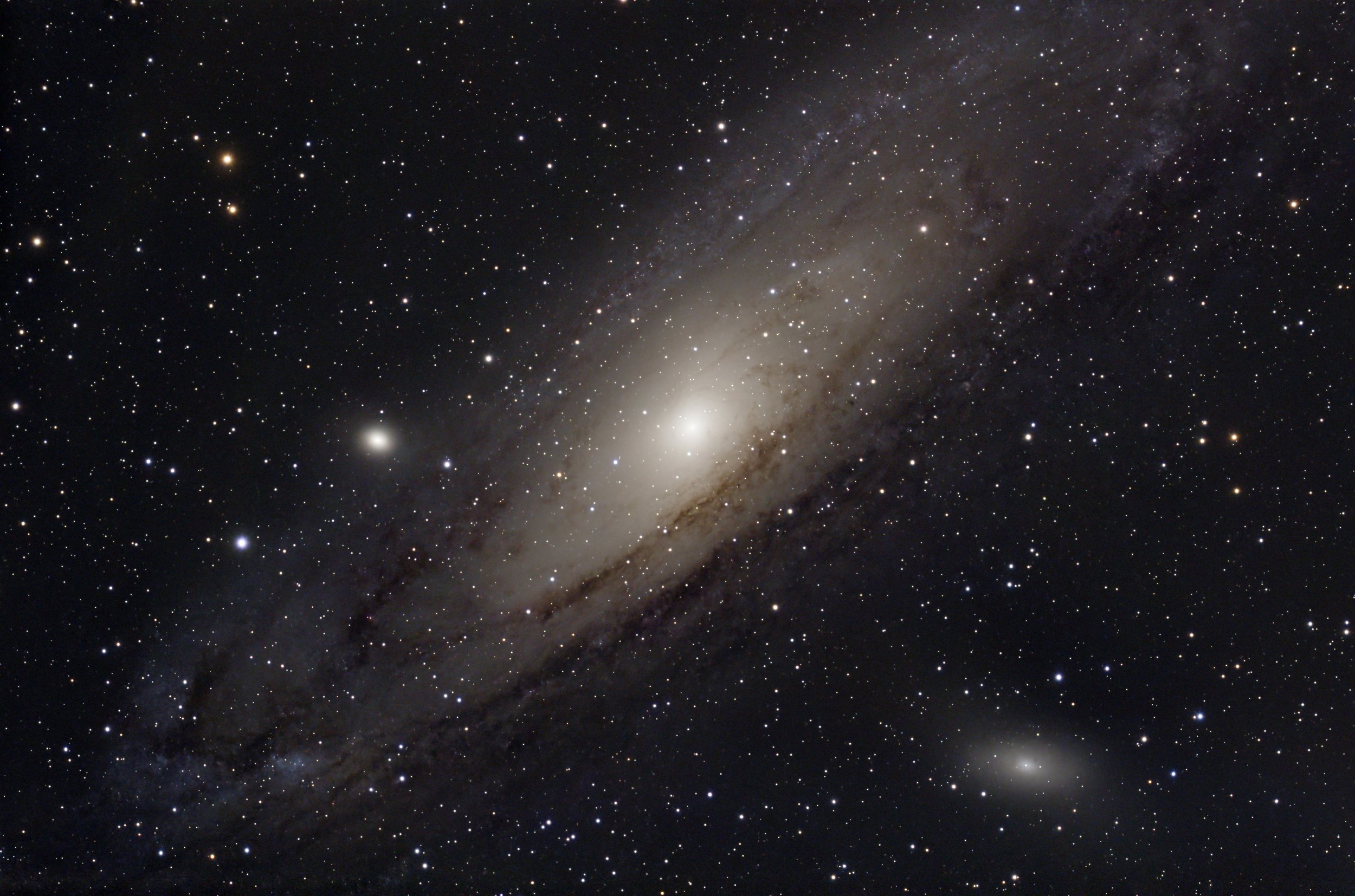
M31 - The Andromeda Galaxy
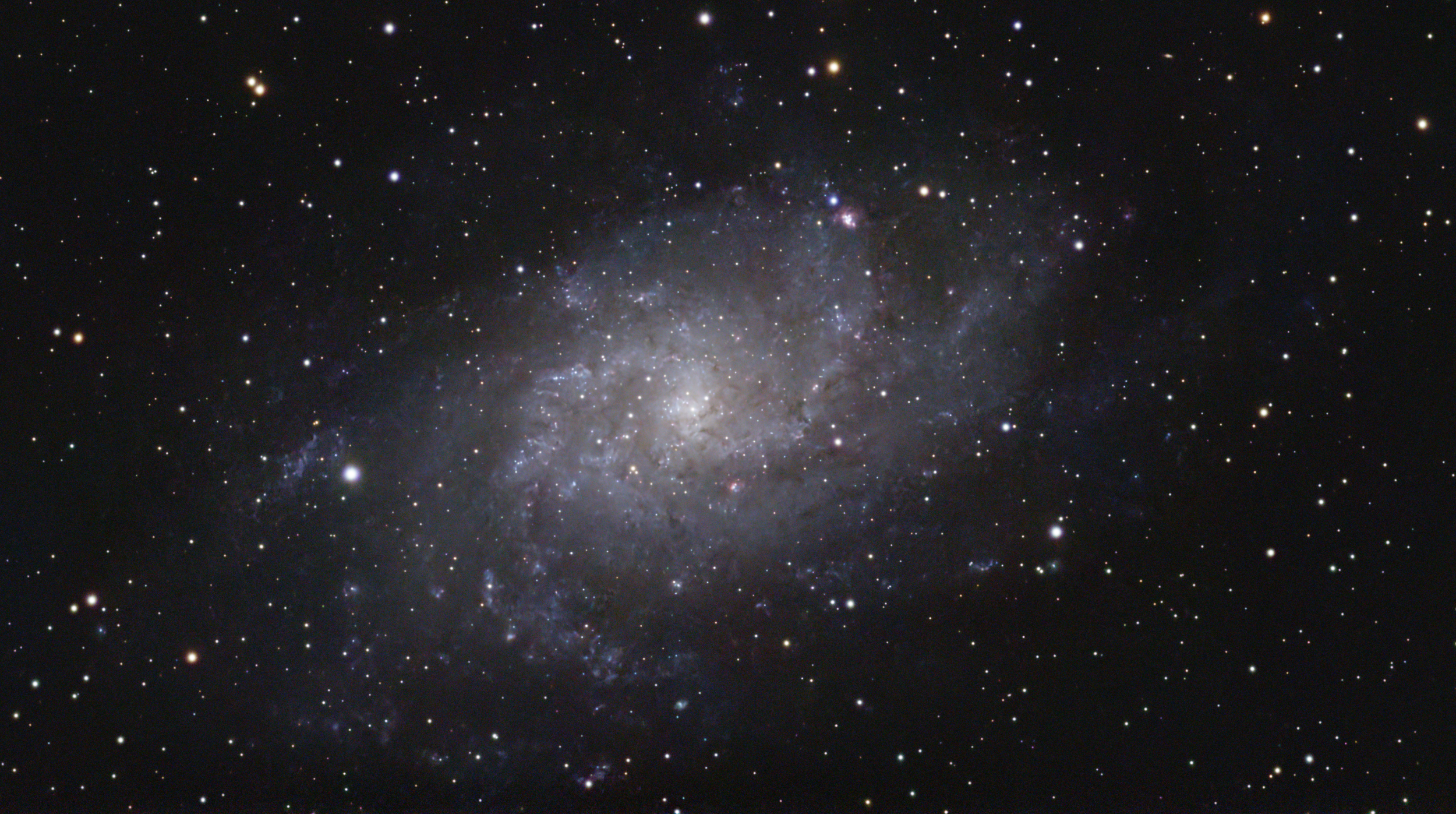
M33 - The Triangulum Galaxy
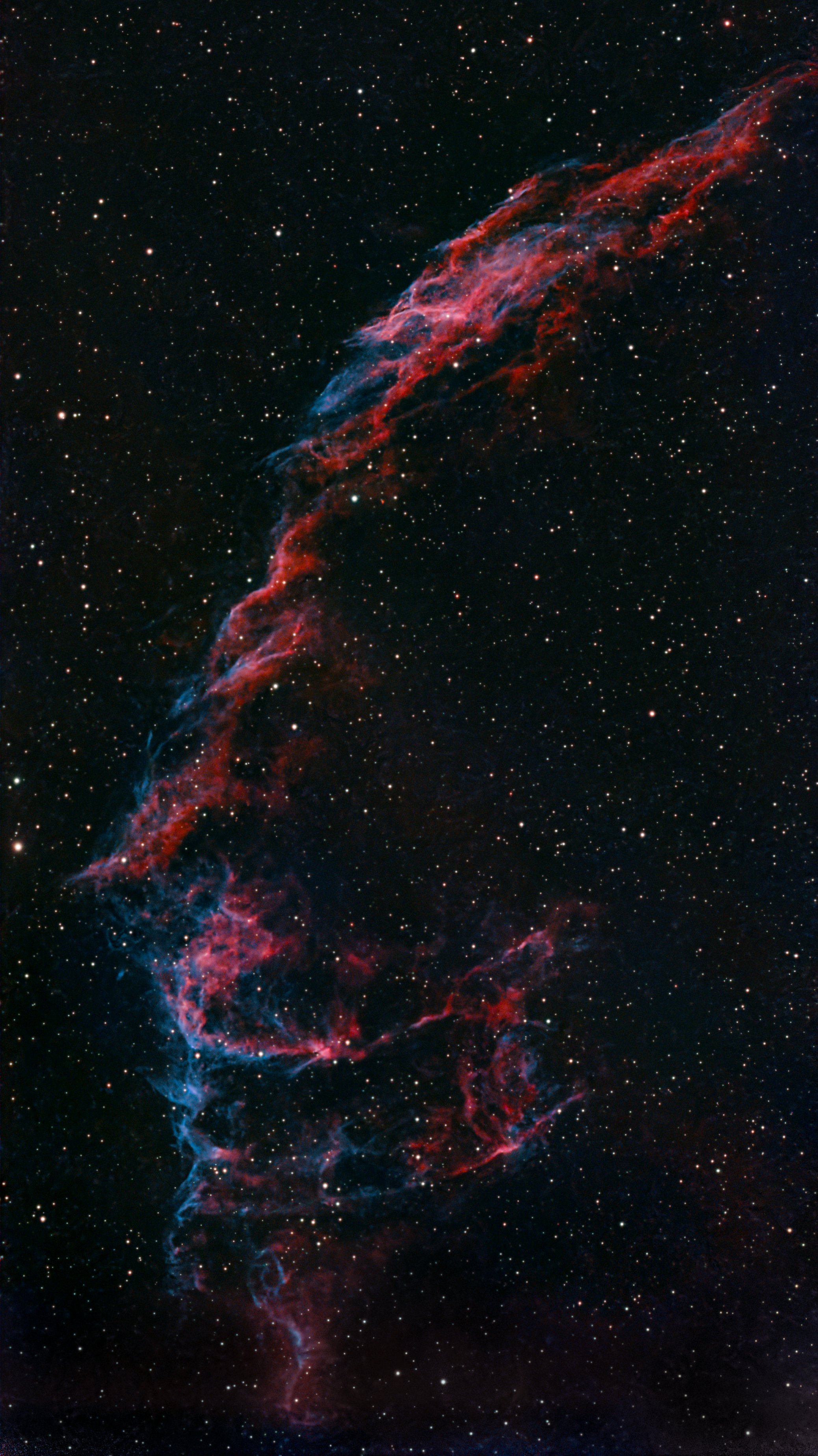
NGC 6992 - The Eastern Veil Nebula
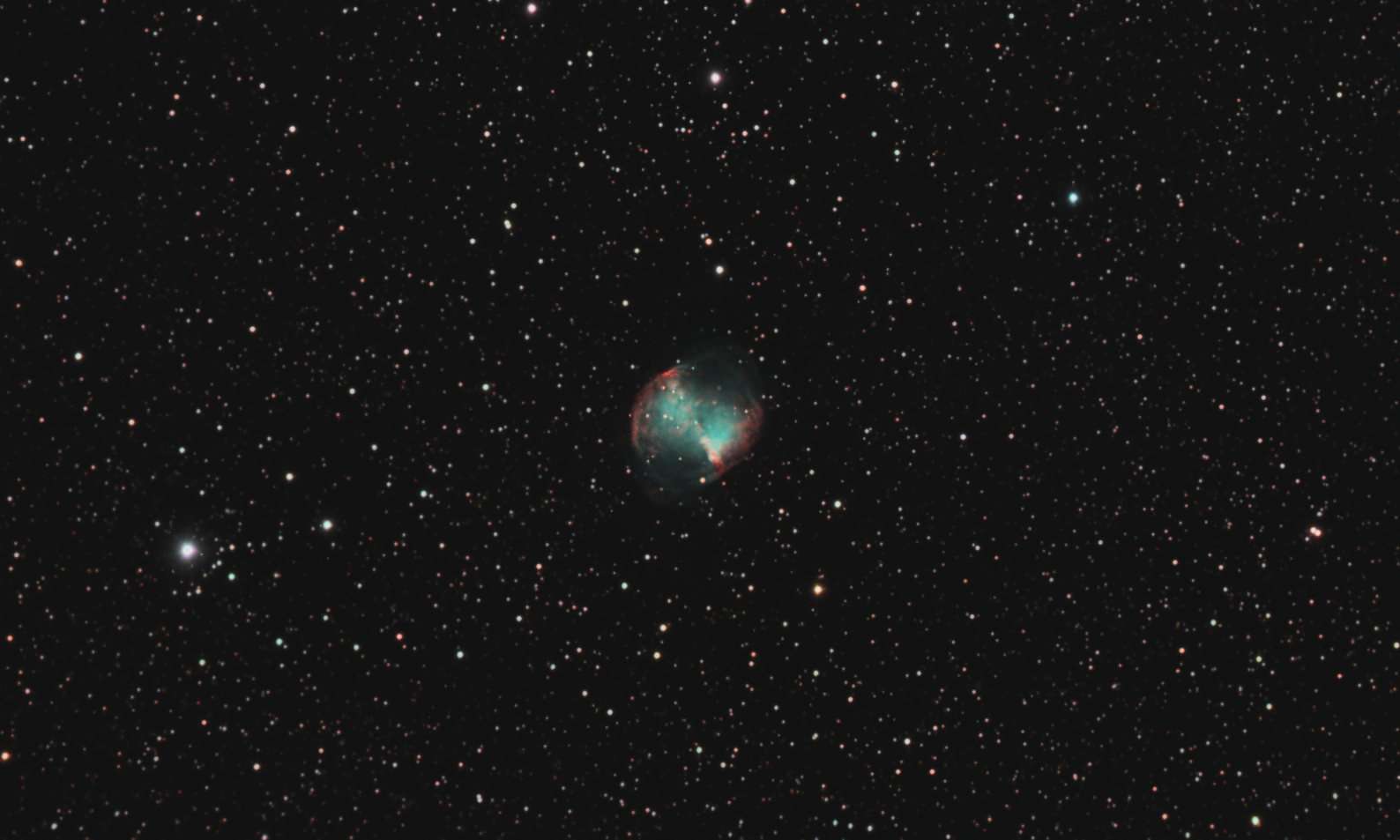
NGC 6853 - The Dumbbell Nebula
How The Hell Do You Do That?
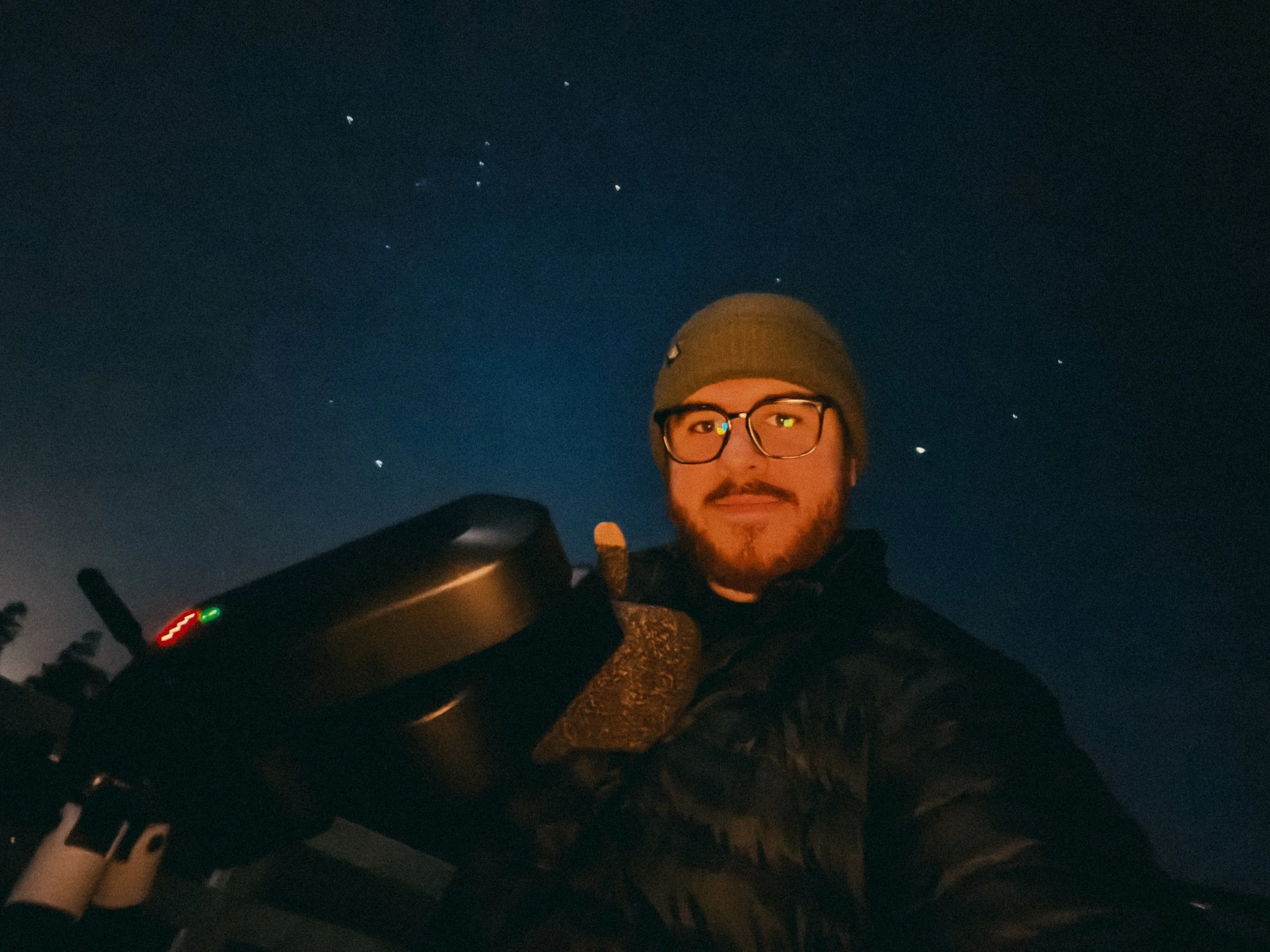
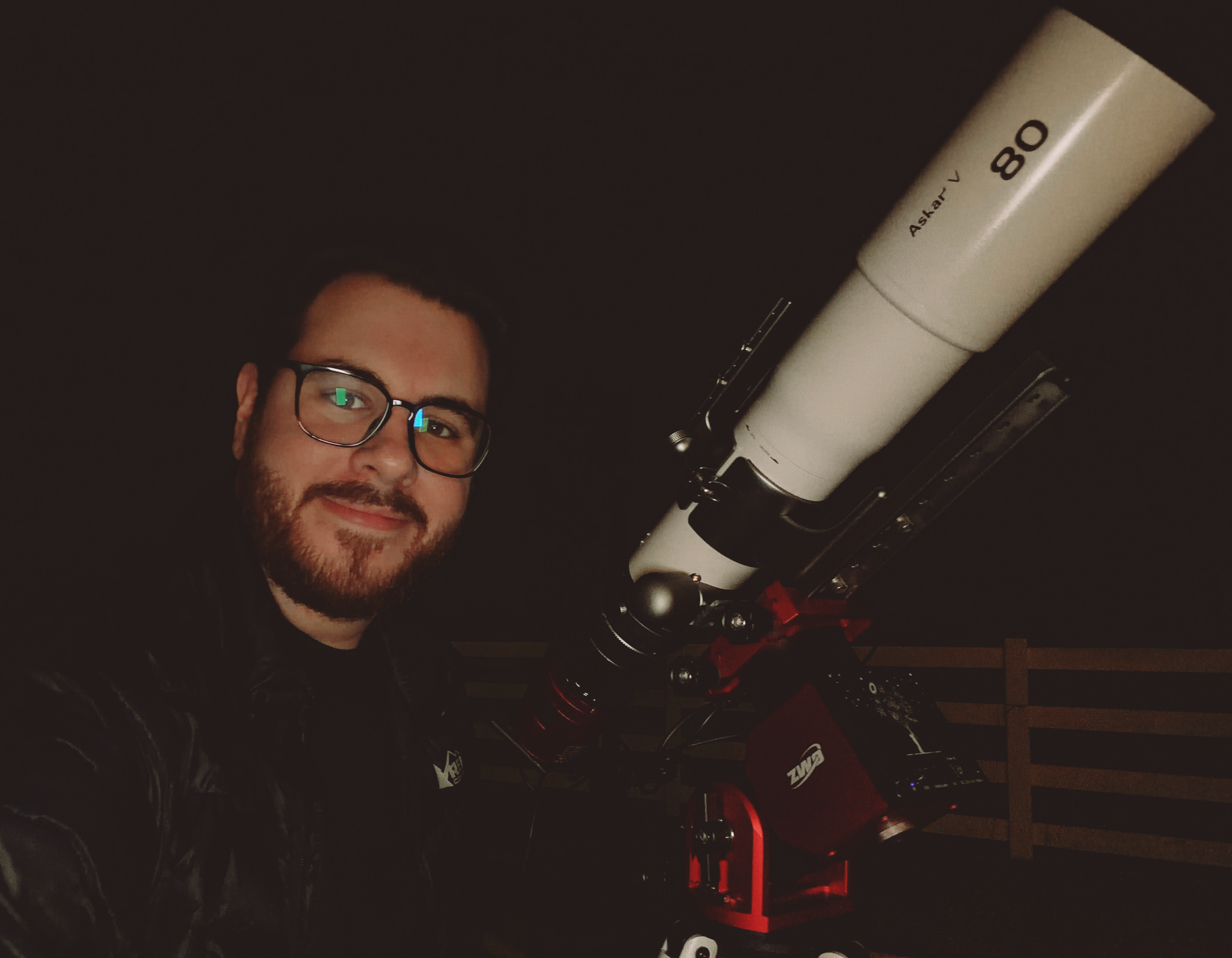
My astrophotography is done primarily using dedicated Astrograph equipment. My primary imaging rig (first picture to the right) comprises 3 main parts. The ZWO ASI585MC Air is both the camera and the brains of the entire rig. That is where the computer that controls everything and executes my imaging plans lives, and it also houses two imaging sensors. One is the primary imaging sensor that takes the images I will actually use; the other is the off-axis guiding sensor that “keeps its eyes open” while the primary sensor is doing long exposures, so that it can issue tiny corrections to the star tracking and make sure every shot is perfect. Those sensors would be useless without something to collect and focus light on them, thus I have that camera mounted onto an Askar V modular OTA. This is basically a fancy piece of glass in front of the camera that acts as a lens, a field corrector, a rotator, and a focuser. It is also “modular”, meaning that by changing the front and rear elements, I am able to change the focal length either to zoom in or zoom out, allowing me to frame every shot perfectly according to each target. Lastly, all that gear needs to follow whatever I am shooting throughout the night, so I have it mounted to a ZWO AM3n harmonic drive strain wave mount. That is basically a motorized robot tasked with keeping my camera pointed at what I want. This mount and guiding setup is so accurate that I am able to reliably track targets with an average tracking error of just 1/30th of 1/60 of a single degree (about 2 arcseconds). In addition to this main rig, I also have two entry-level electronically controlled “smart telescopes”, in particular, the ZWO Seestar S50 & S30. They are both on equatorial mounts that are polar aligned with the north celestial pole. They are connected to a network and controlled remotely from my office using a piece of software called N.I.N.A, which I use to find targets as well as plan & execute imaging sequences. For any particular target on any of these rigs, I will capture hundreds or thousands of individual images, which are then stacked together and processed in a piece of software called Pixinsight. Final visual tweaks are sometimes performed in Adobe Lightroom. Most targets take anywhere from 4-10 hours to plan, capture, and process. Some projects are closer to 20 hours, all in. None of that is counting the many hours I’ve spent simply looking up in perfect silence at the stars.