
When I heard the learn’d astronomer,
When the proofs, the figures, were ranged in columns before me,
When I was shown the charts and diagrams, to add, divide, and measure them,
When I sitting heard the astronomer where he lectured with much applause in the lecture-room,
How soon unaccountable I became tired and sick,
Till rising and gliding out I wander’d off by myself,
In the mystical moist night-air, and from time to time,
Look’d up in perfect silence at the stars
— Walt Whitman
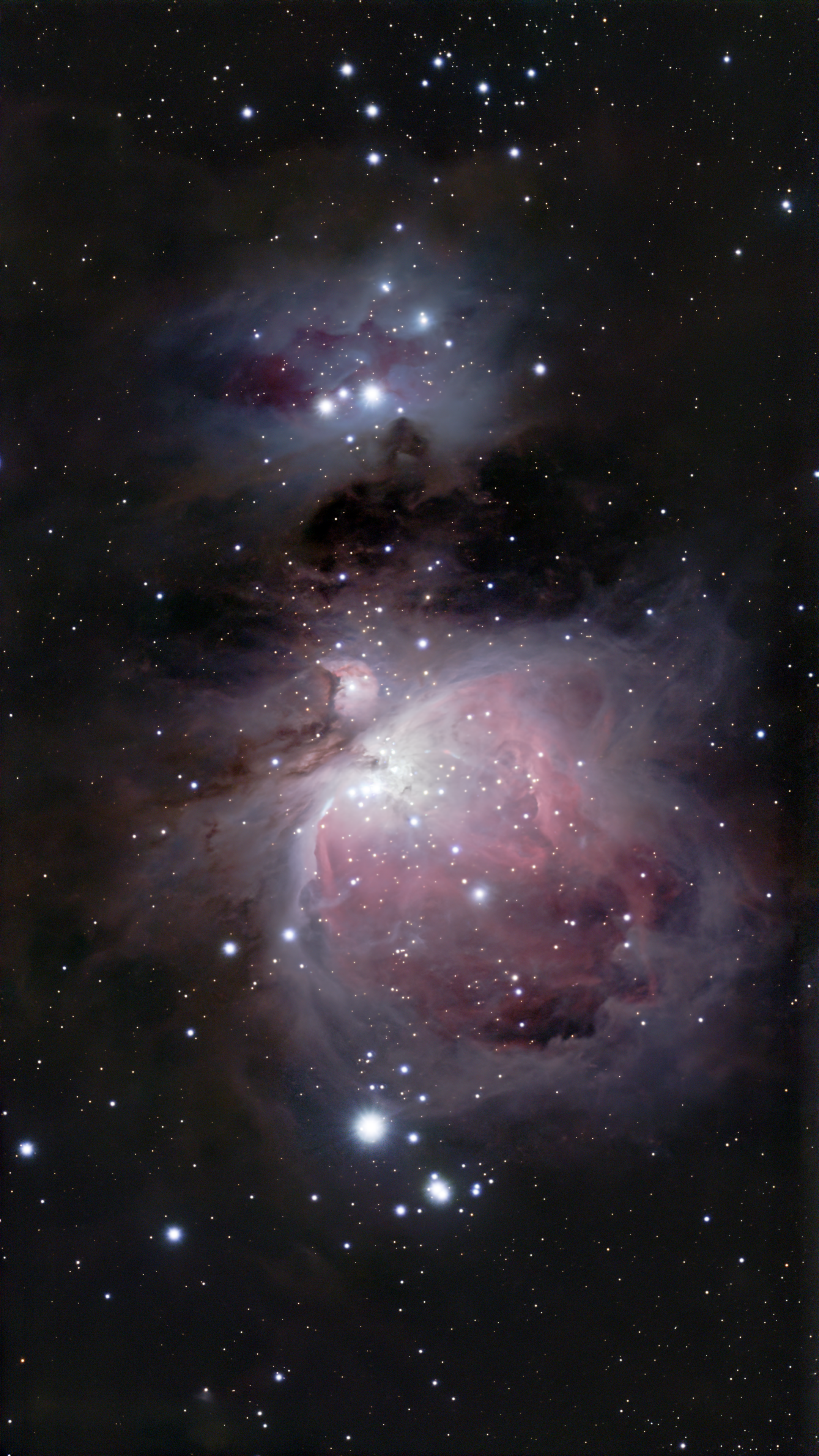
M42 - The Orion Nebula
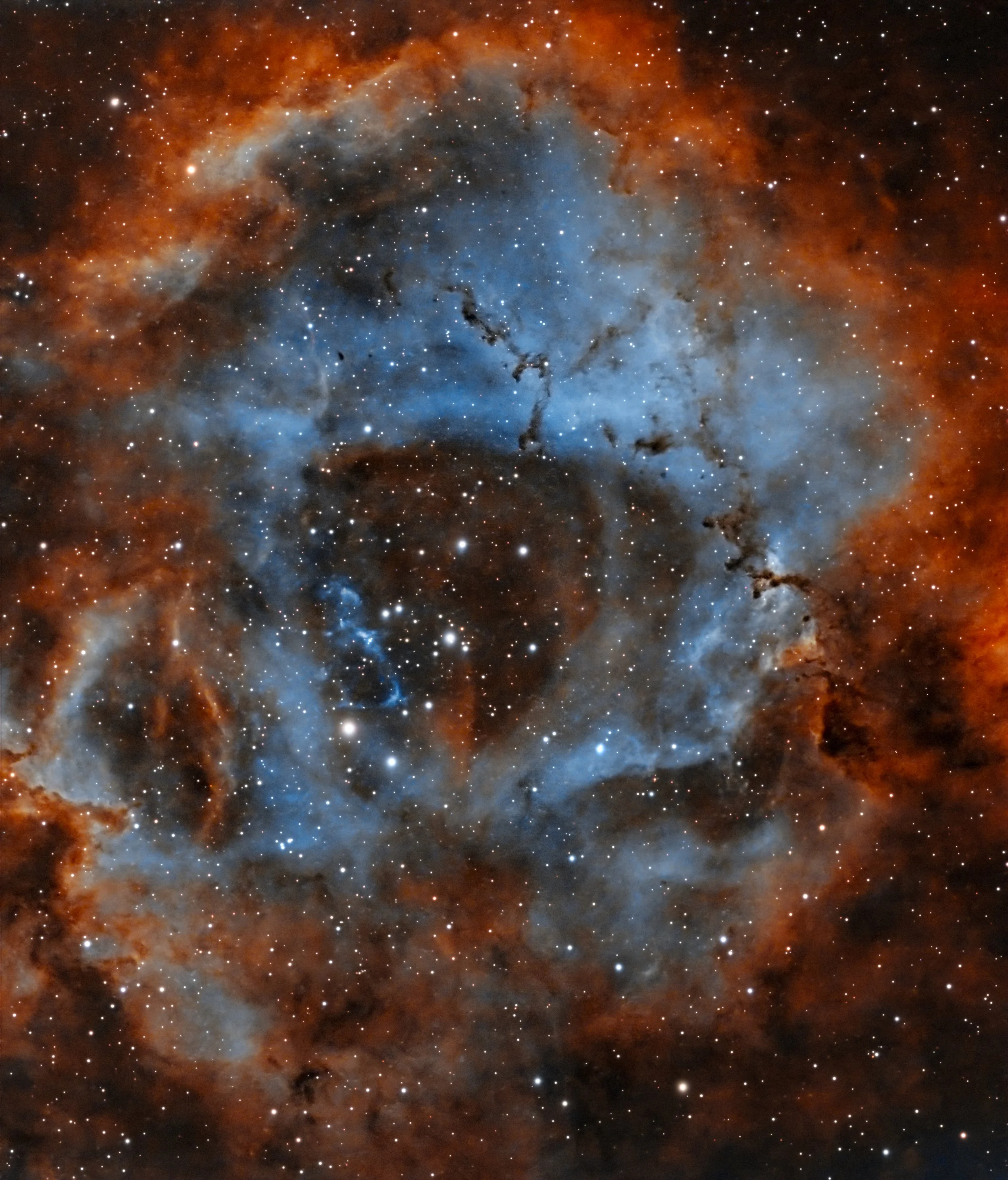
Caldwell 49 - The Rosette Nebula
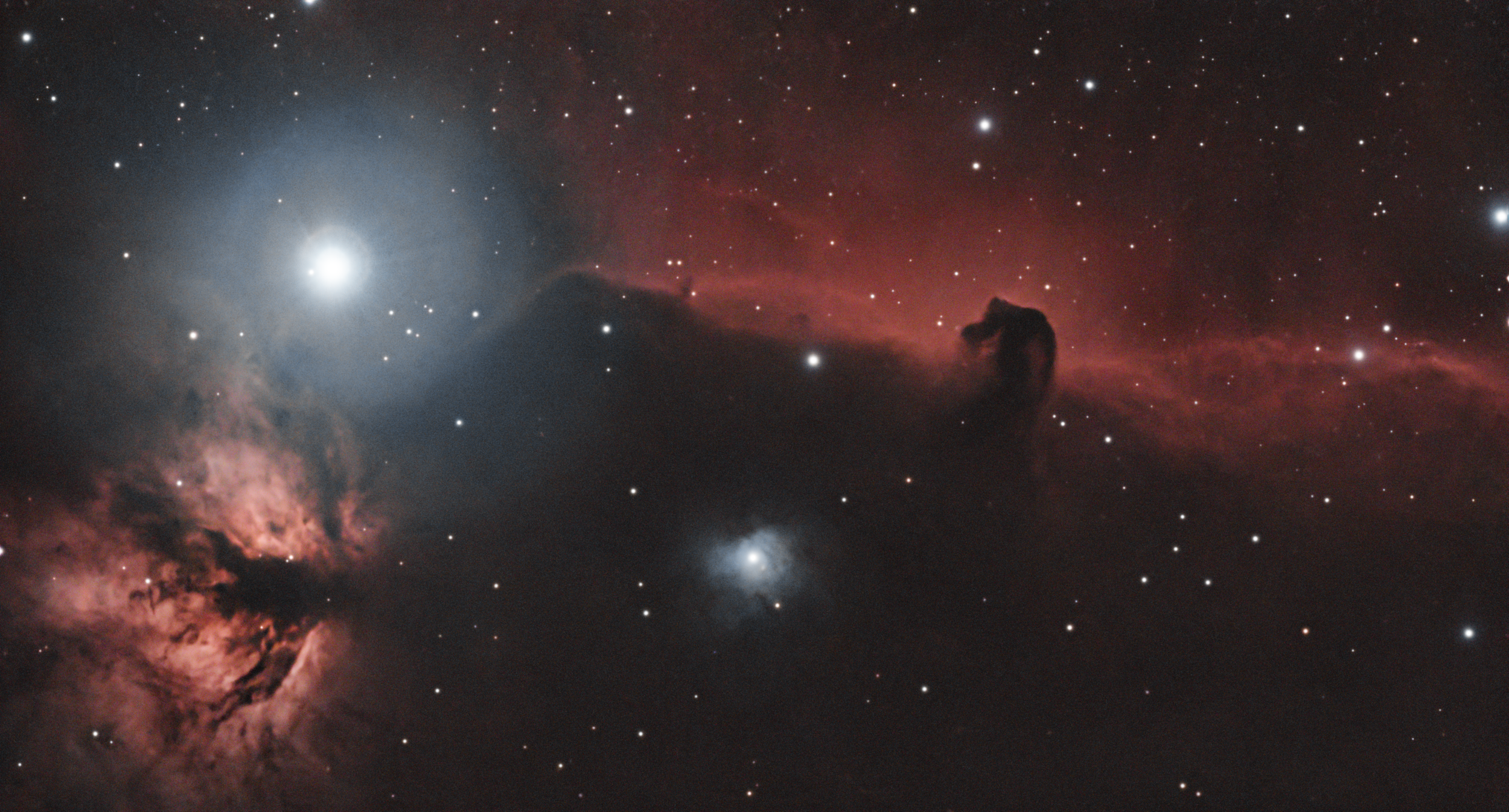
IC434 - The Horsehead Nebula & NGC 2024 -The Flame Nebula
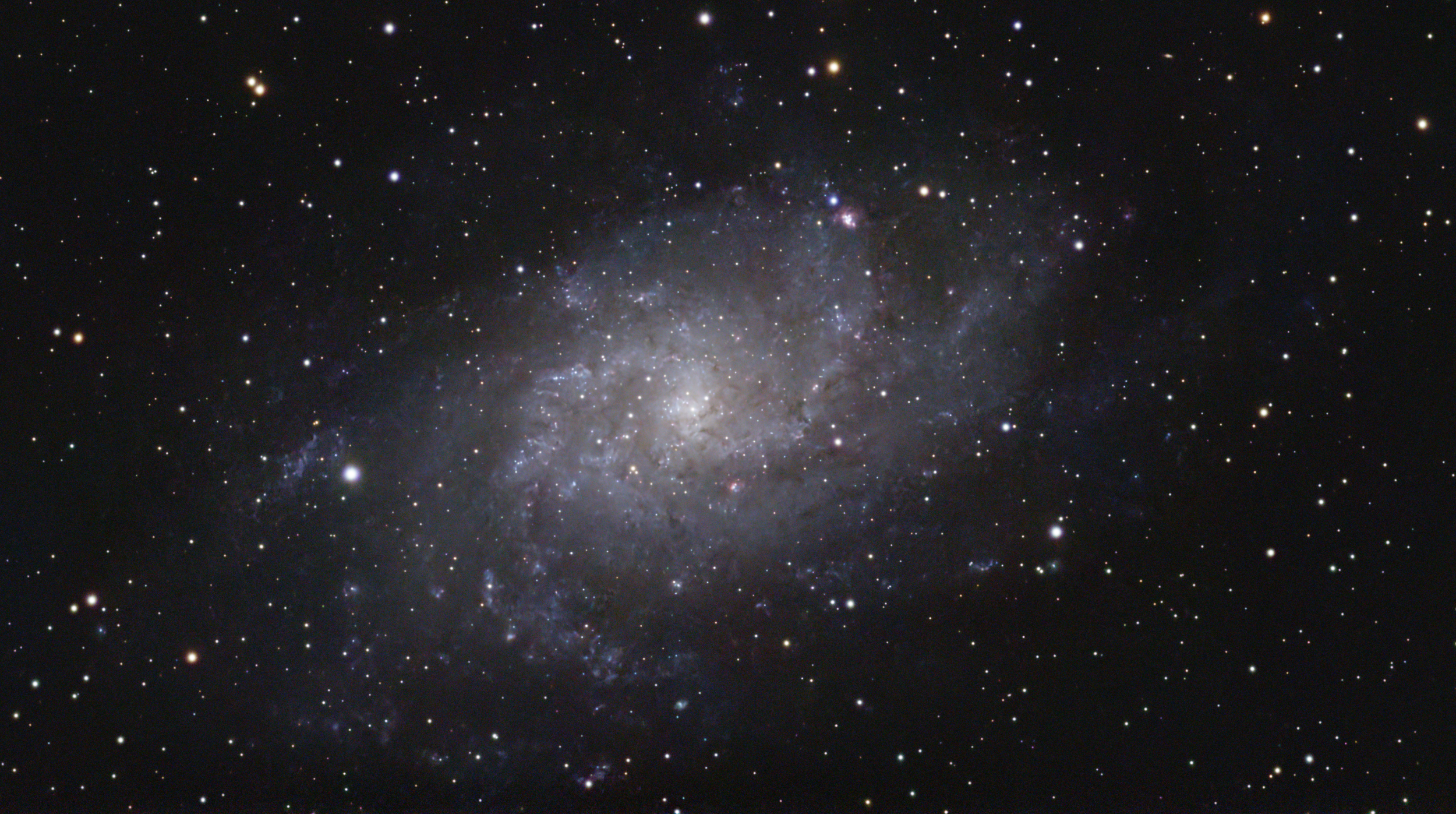
M33 - The Triangulum Galaxy
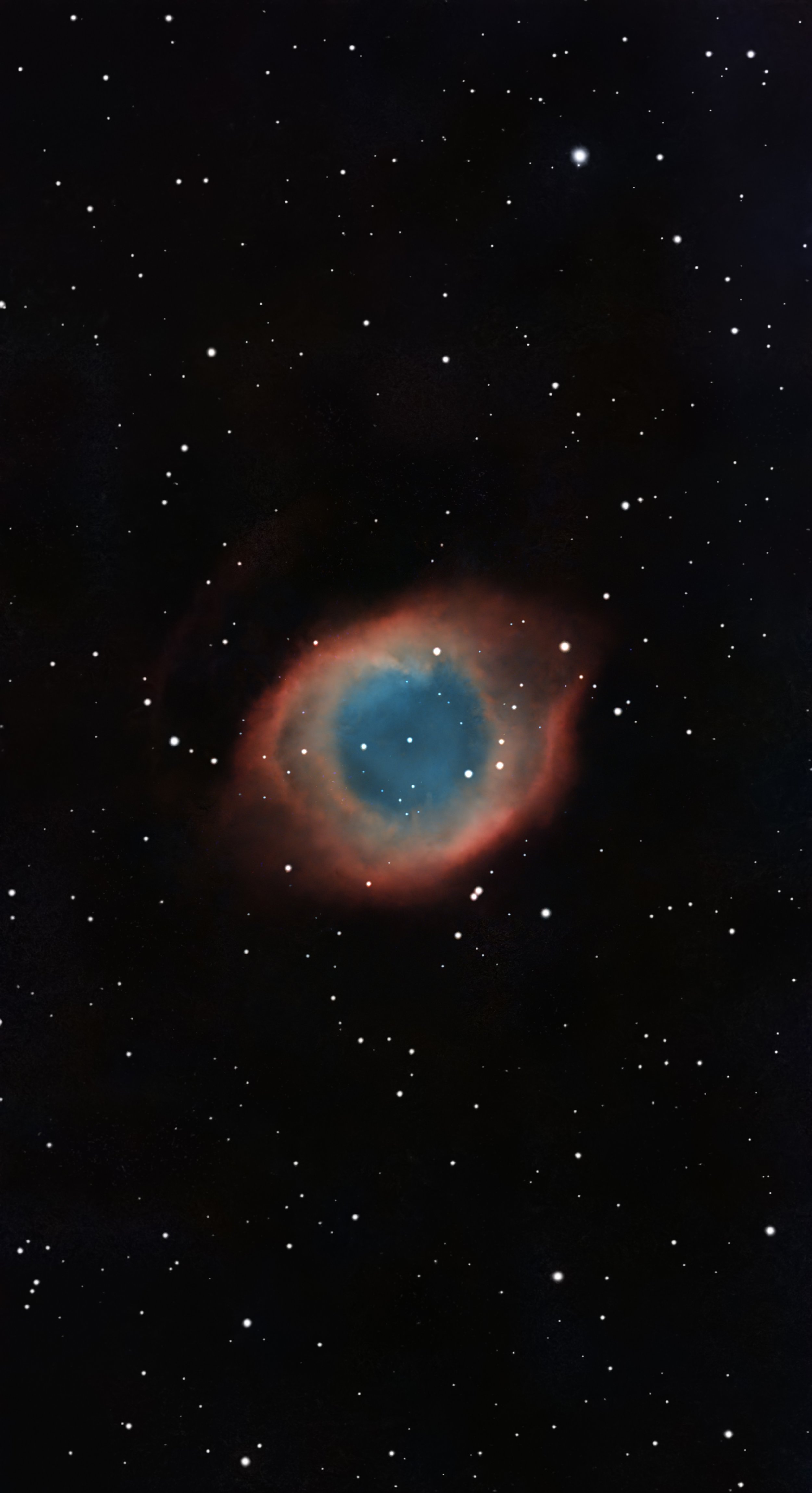
NGC 7293 - The Helix Nebula (A.K.A "The Eye of God")
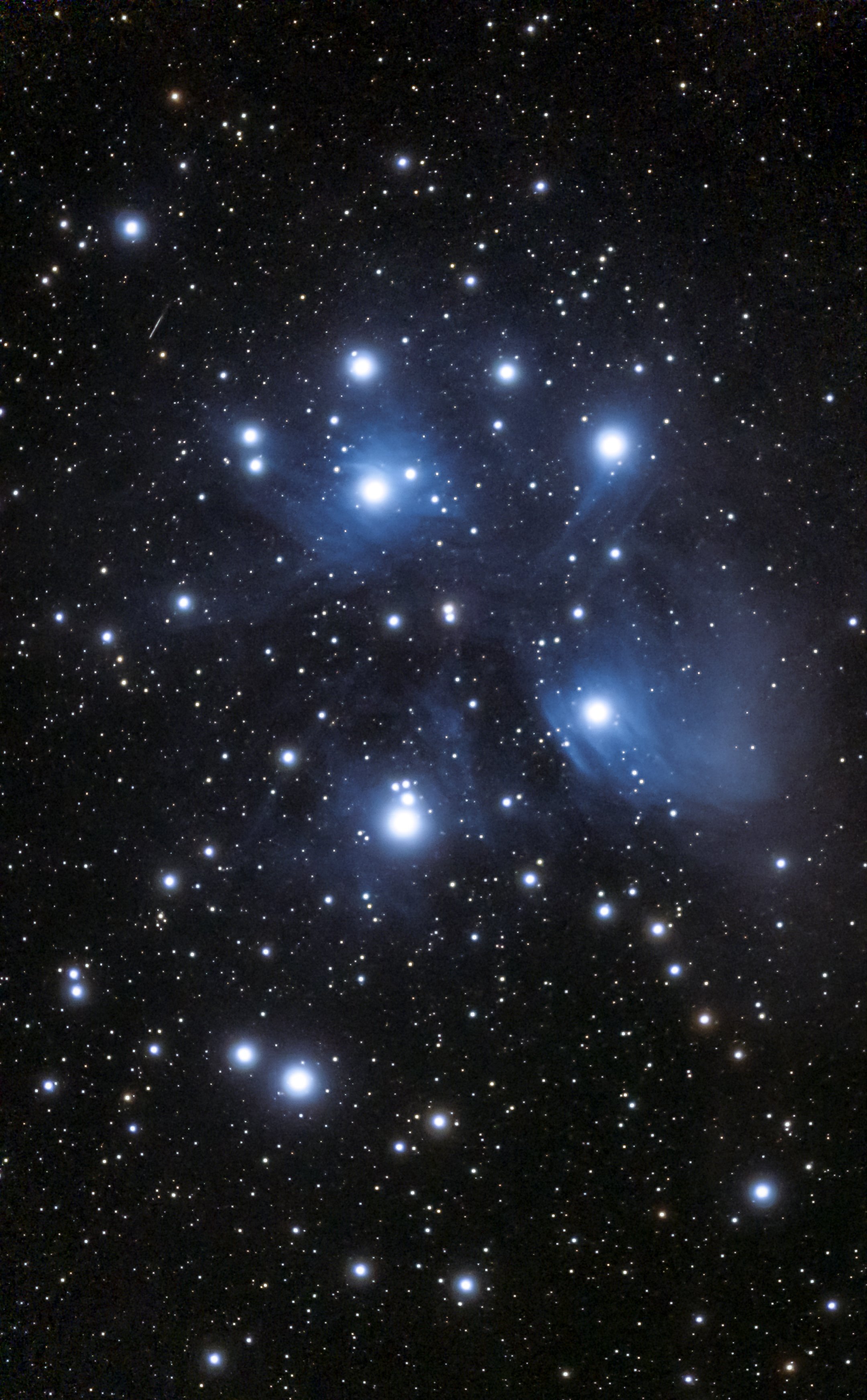
M45 - Pleiades - The Seven Sisters
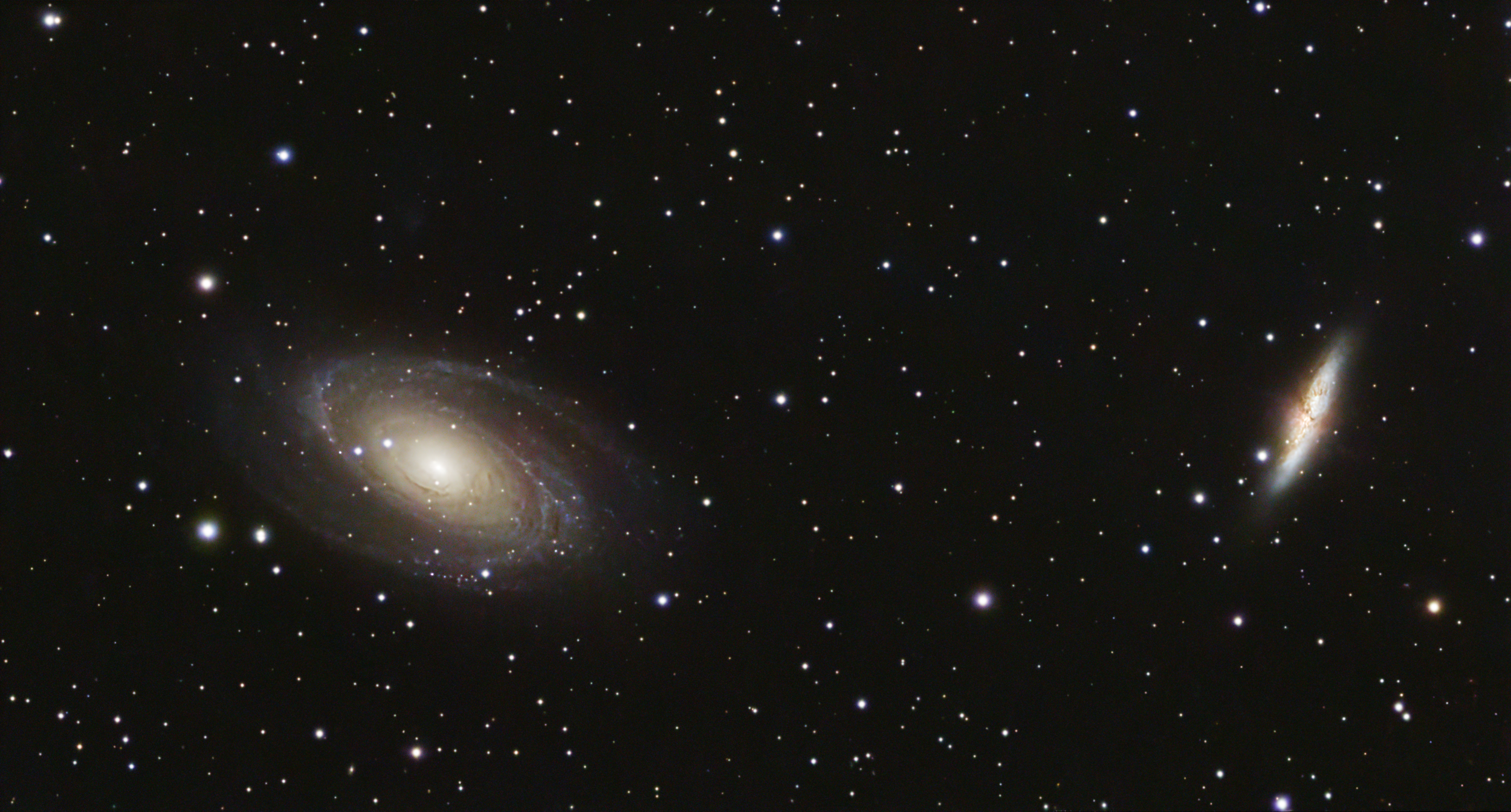
M81 - Bode's Galaxy (left) & M82 - The Cigar Galaxy (right)
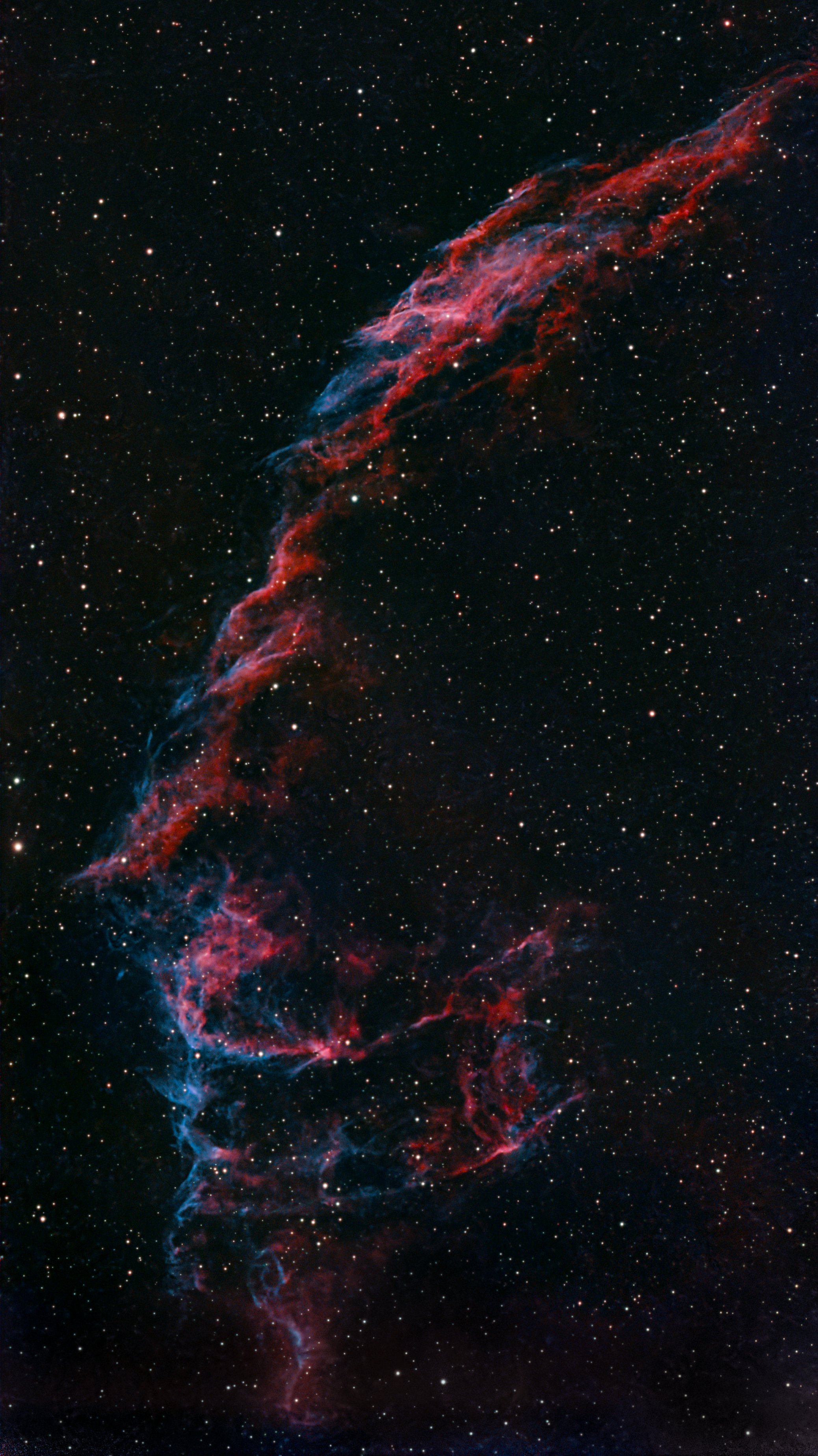
NGC 6992 - The Eastern Veil Nebula
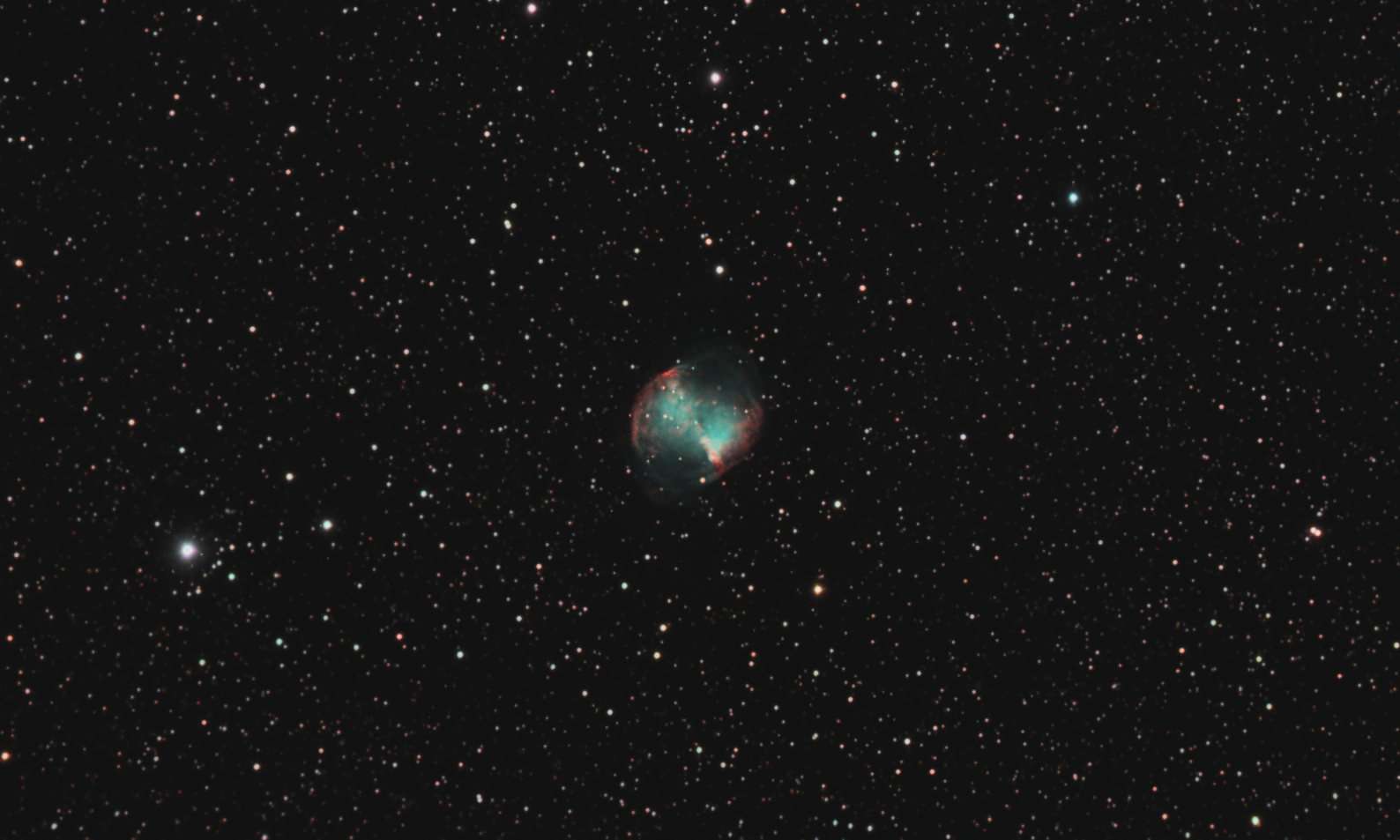
NGC 6853 - The Dumbbell Nebula
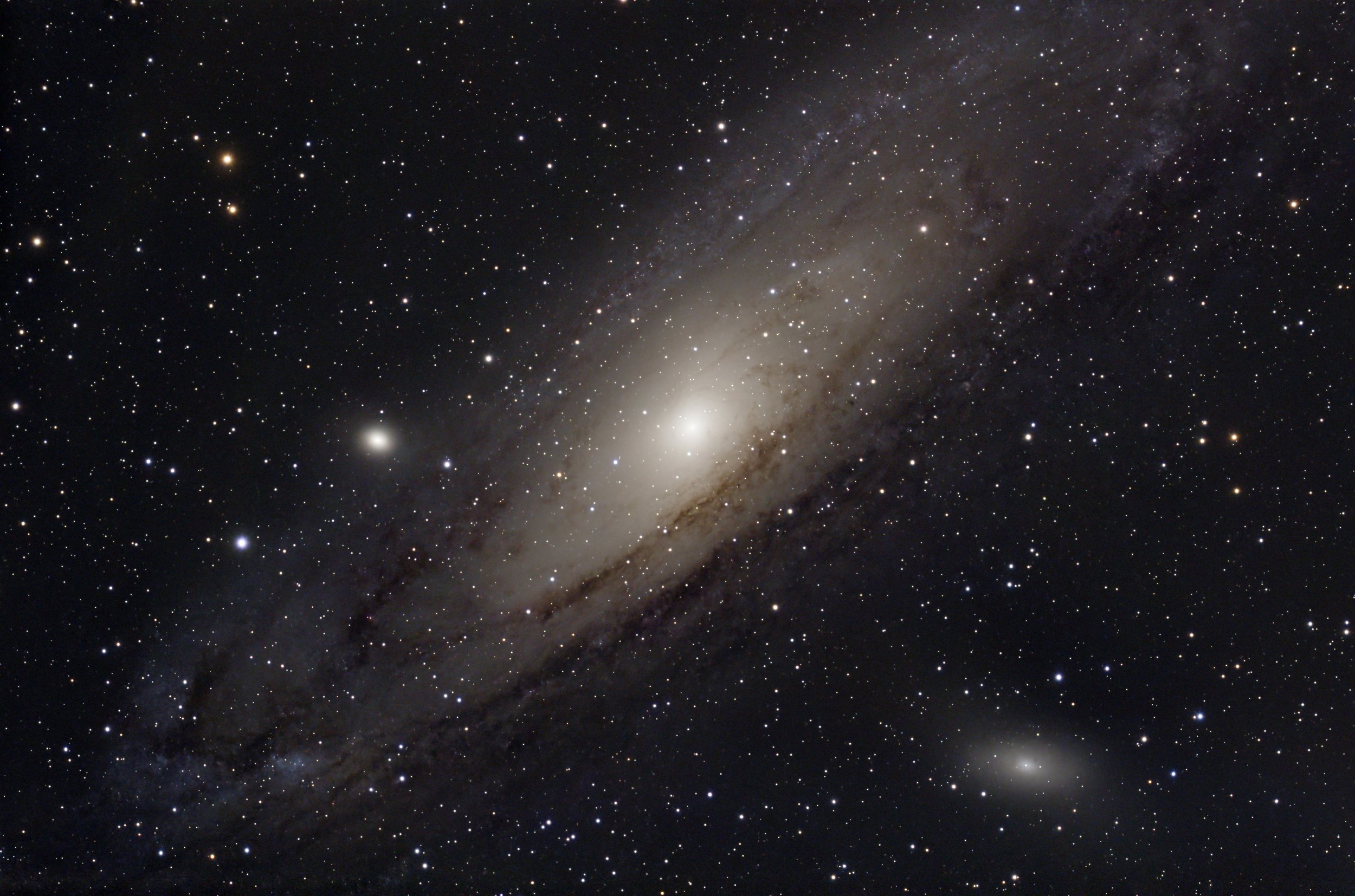
M31 - The Andromeda Galaxy
How The Hell Do You Do That?
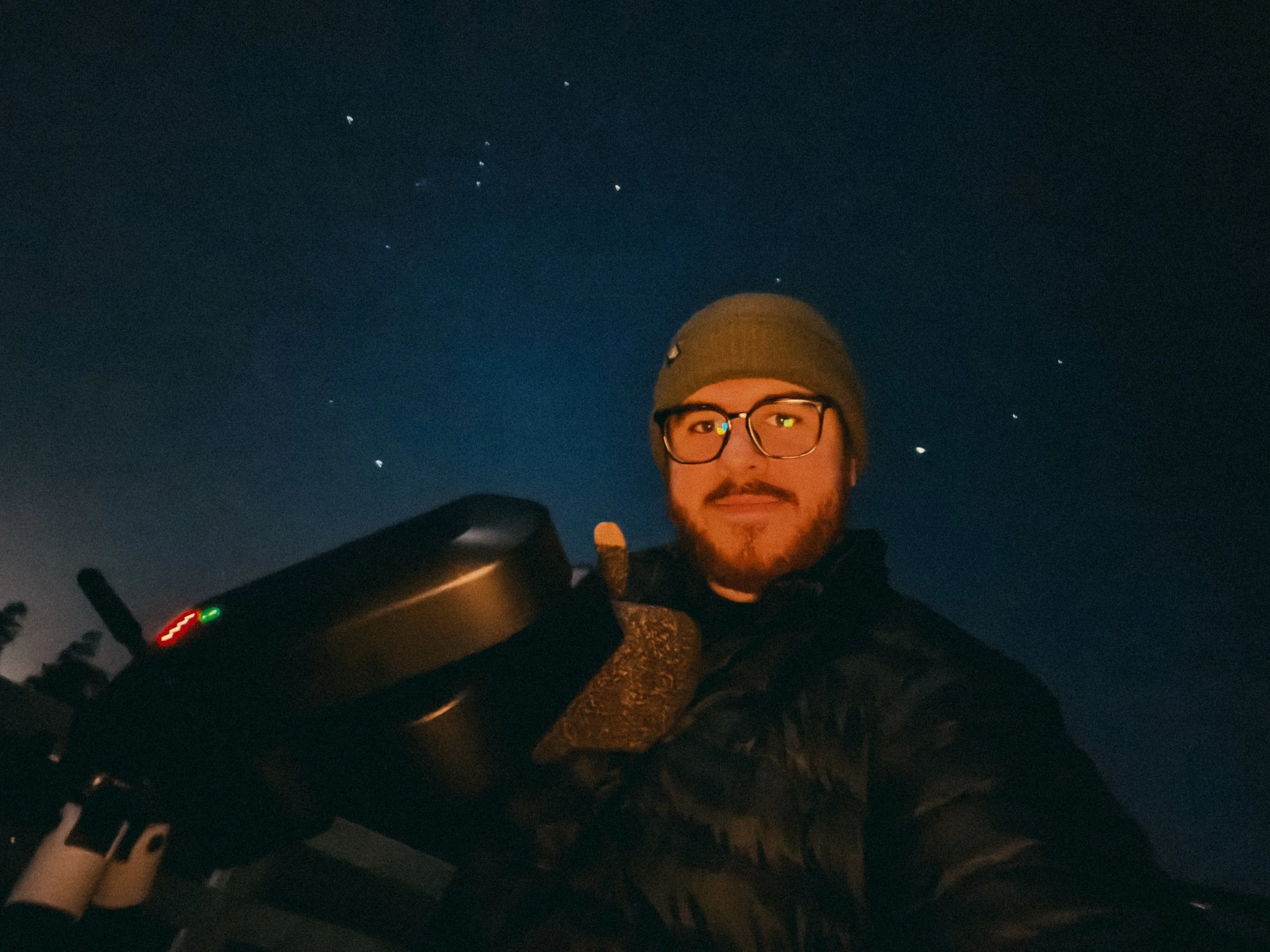
My astrophotography is done entirely using two entry-level electronically controlled “smart telescopes”, in particular, the ZWO Seestar S50 & S30. They are both on equatorial mounts that are polar aligned with the north celestial pole (the point in the sky around which the starfield rotates) in my backyard observatory. They are connected to a network and controlled remotely from my office using a piece of software called N.I.N.A, which I use to find targets as well as plan & execute imaging sequences. For any particular target, I will capture hundreds or thousands of individual images, which are then stacked together and processed in a piece of software called Pixinsight. Final visual tweaks are sometimes performed in Adobe Lightroom. Most targets take anywhere from 4-10 hours to plan, capture, and process. Some projects are closer to 20 hours, all in. None of that is counting the many hours I’ve spent simply looking up in perfect silence at the stars.